Guides / Sleeves
Single vs double sleeving: what it changes for storage
Double sleeving protects cards from spills and edge wear, but it adds a third to your deck's thickness. Here's when it's worth it.
Double sleeving means putting each card in a tight inner sleeve (often called a perfect-fit sleeve), then putting that into a normal outer sleeve. The inner one goes in upside down, so the two openings face opposite ends.
What double sleeving protects against
- Spills. With the openings at opposite ends, liquid has no straight path to the card.
- Dust and grit getting into the outer sleeve and scratching the card face.
- Edge wear and corner dings, because the card can’t slide around inside the outer sleeve.
- Warping from humidity, because there is an extra barrier.
What it costs you
- Thickness. A double-sleeved deck is about 33% thicker than a single-sleeved one. A 100-card deck that fit your box single-sleeved won’t fit double-sleeved.
- Shuffle feel. Some players find double-sleeved decks harder to mash-shuffle. Others prefer the extra stiffness.
- Money and time. Two sleeves per card, and sleeving takes about twice as long.
When it’s worth it
| Deck | Our take |
|---|---|
| Commander deck with valuable staples | Double sleeve |
| Competitive 60-card deck played often | Single or double, your preference |
| Casual or budget deck | Single sleeve is plenty |
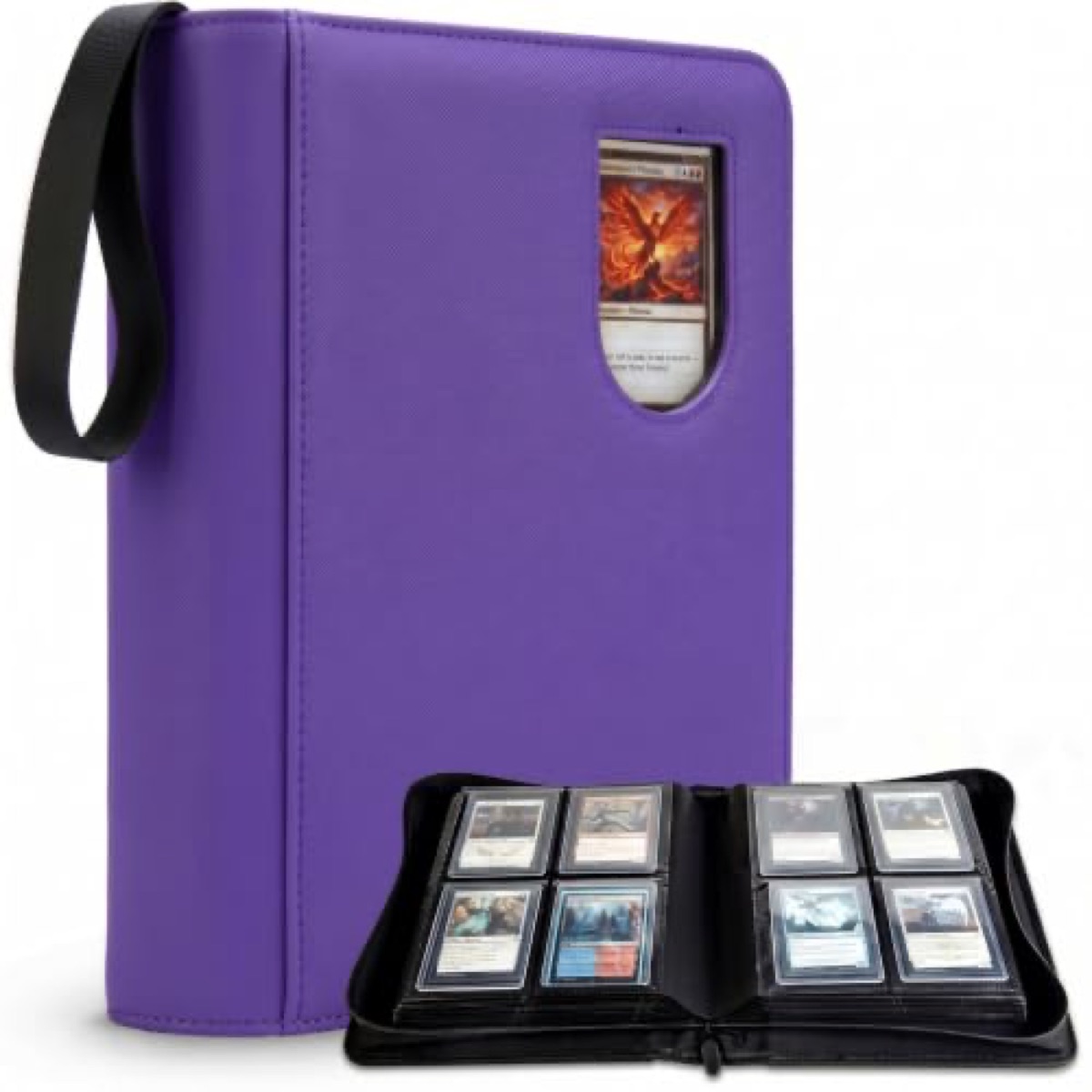
| Bulk and trade binders | No sleeves, store in a box |
Sizing your box after switching
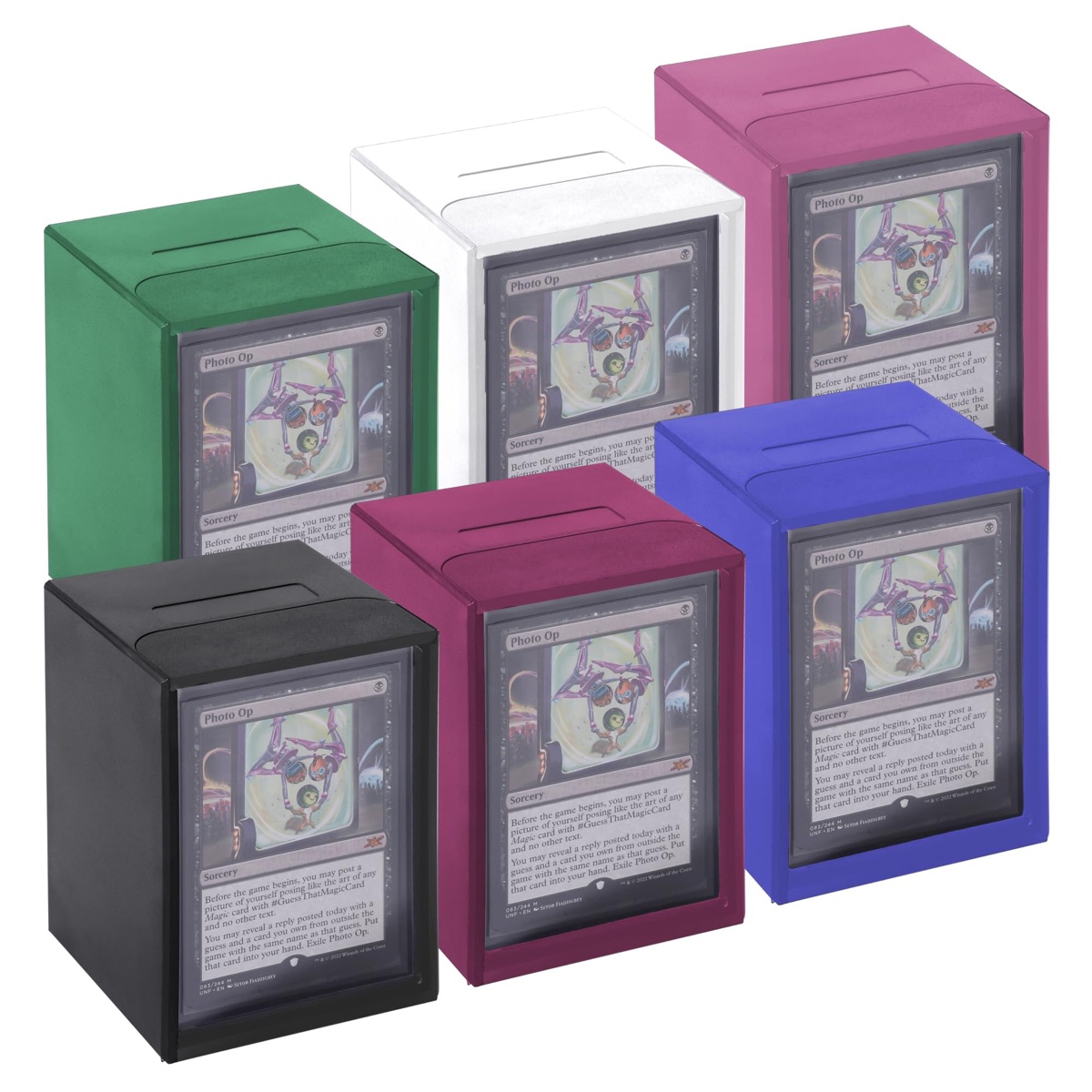
If you switch an existing deck from single to double sleeves, multiply your card count by 1.33 to find the new capacity you need. For example, a 60-card Pokémon deck needs a box rated for about 80 single-sleeved cards once double-sleeved.
The Storage Finder does this conversion for you, including tokens.
Get new guides by email
About twice a month. Unsubscribe anytime.